
Understanding the psychology behind the allure of gambling in casinos
The Thrill of Uncertainty
The allure of gambling primarily hinges on the excitement and unpredictability inherent in games of chance. This thrill of uncertainty can trigger intense emotional responses, such as joy or disappointment, depending on the outcome of a bet. The brain releases dopamine, a neurotransmitter associated with pleasure, whenever a player experiences a win, reinforcing the desire to engage in gambling again. This cycle of anticipation and reward keeps players returning for more, often leading them to chase the exhilarating highs of their previous wins. weddingbellsphotography.co.uk is an example of how immersive experiences can capture attention.

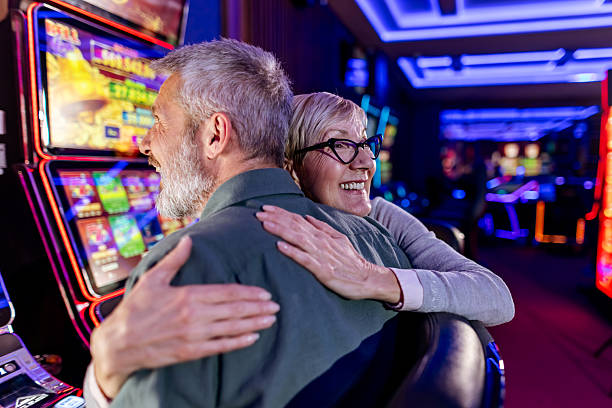
Additionally, the design of casino environments plays a significant role in amplifying this thrill. Casinos are meticulously crafted to create an immersive experience that heightens emotional engagement. Bright lights, vibrant colors, and enticing sounds work together to stimulate the senses, creating an atmosphere that feels both exciting and liberating. This sensory overload keeps players alert and engaged, making the prospect of risk-taking even more enticing.
Moreover, the human brain is wired to favor short-term rewards over long-term consequences. In gambling, this short-sightedness can lead players to focus on immediate excitement rather than potential losses. This phenomenon, known as “loss aversion,” means that players often find it more challenging to detach from gambling, as the emotional highs overshadow the rational assessments of risk. Consequently, this psychological interplay serves to deepen the allure of casino gambling.
The Role of Social Interaction
Gambling often provides a social experience that can enhance its appeal. Players frequently engage with others at tables or in gaming areas, which fosters a sense of community and shared excitement. This social dimension not only makes the experience more enjoyable but can also create a support network among players. Observing others win can further amplify one’s own desire to gamble, making participation in games feel less isolating and more communal.
Moreover, casinos often host events and tournaments that encourage interaction among players. These activities promote a competitive spirit, allowing individuals to bond over shared experiences while vying for prizes. The camaraderie generated can transform a solitary activity into a social event, making the overall experience more appealing. This aspect of social gaming can be particularly influential in drawing people to casinos, as the need for social connection is a fundamental human trait.
Additionally, the use of technology, such as live dealer games, further enhances social interaction in online casinos. This innovation allows players to engage with real dealers and other participants, simulating the casino environment from the comfort of their homes. Such developments cater to the psychological need for connection while still providing the thrill of gambling, illustrating how social elements can be intricately woven into the fabric of gaming experiences.
The Illusion of Control
One of the most intriguing psychological aspects of gambling is the illusion of control that many players experience. This belief, often referred to as the “gambler’s fallacy,” leads individuals to think they can influence the outcomes of games that are fundamentally random. Players may develop personal strategies or superstitions, such as specific betting patterns or rituals, which they believe will improve their chances of winning. This illusion can be incredibly compelling and serves to deepen their involvement.
For instance, many players believe they can “feel” when a slot machine is about to hit a jackpot or that certain numbers are “due” to come up in a game of roulette. Such beliefs, while baseless, give players a sense of agency over an inherently luck-based environment. This false sense of control not only heightens excitement but also encourages players to continue gambling in hopes of mastering the game, ultimately deepening their emotional investment.
This psychological phenomenon can be particularly dangerous, as it can lead to increased gambling behavior and, in some cases, problem gambling. When players attribute wins to their strategies rather than luck, they may gamble more recklessly, believing they are in control of the outcomes. This deceptive cognitive bias emphasizes the importance of understanding how psychology drives behavior in casinos, influencing players to gamble beyond their means.
The Influence of Rewards and Incentives
The structure of rewards and incentives in casinos significantly influences player behavior. Many establishments use loyalty programs, bonuses, and promotions to entice players, creating a compelling environment that encourages continued gambling. For instance, bonuses offered to new players or free spins on popular slots act as incentives that can lower barriers to entry, drawing in novice gamblers who may not typically engage with casino games.
These incentives also tap into the psychological principle of “loss aversion.” Players are often more motivated to participate when they perceive they have something to gain or, conversely, something to lose. Casinos understand this and strategically design their rewards to maximize engagement, ensuring players feel like they are getting value while encouraging them to spend more time and money on the games.
Moreover, the nature of immediate rewards contributes to the allure of gambling. Instant gratification is a powerful motivator; the promise of a quick payout can be irresistible. This is especially true in fast-paced games where outcomes are determined in seconds. Casinos capitalize on this by providing numerous opportunities for instant wins, ensuring that the thrill of immediate rewards keeps players engaged, reinforcing their desire to return to the gaming environment.
Lizaro Casino: A Responsible Gaming Environment
At Lizaro Casino, the understanding of psychological principles guiding gambling behavior is taken seriously. The platform recognizes the allure that gambling can create and is committed to fostering a safe and responsible gaming environment. With a wide selection of over 10,000 games, players can explore various options while having access to tools that help them manage their gaming activities effectively.
Lizaro Casino prioritizes player well-being, offering resources and support for those who may need assistance with responsible gaming practices. The site includes features that enable players to set limits on their deposits, losses, and gaming sessions, ensuring that players remain in control of their gambling experiences. This commitment to responsible gaming not only enhances player safety but also contributes to a more enjoyable gaming atmosphere.
By recognizing the psychological factors that contribute to gambling behaviors, Lizaro Casino aims to create an engaging yet responsible gaming platform. Players can enjoy the excitement of gambling while being equipped with the necessary tools to maintain a healthy relationship with gaming, ensuring that their experience is both thrilling and safe.


